





Islamic scholars in Gombe State have called on clerics and preachers to base their teachings strictly on the Qur’an and the Sunnah of Prophet Muhammad, warning against ideologies that reject the Hadith and rely solely on personal interpretations of the Qur’an.
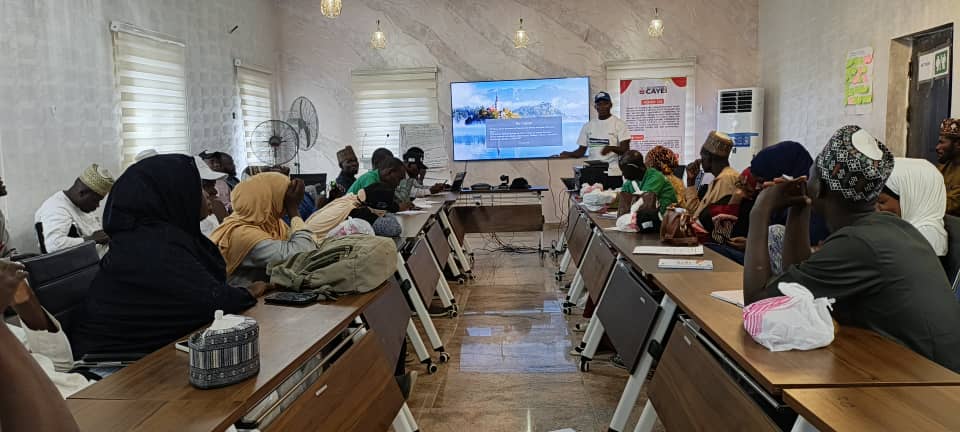
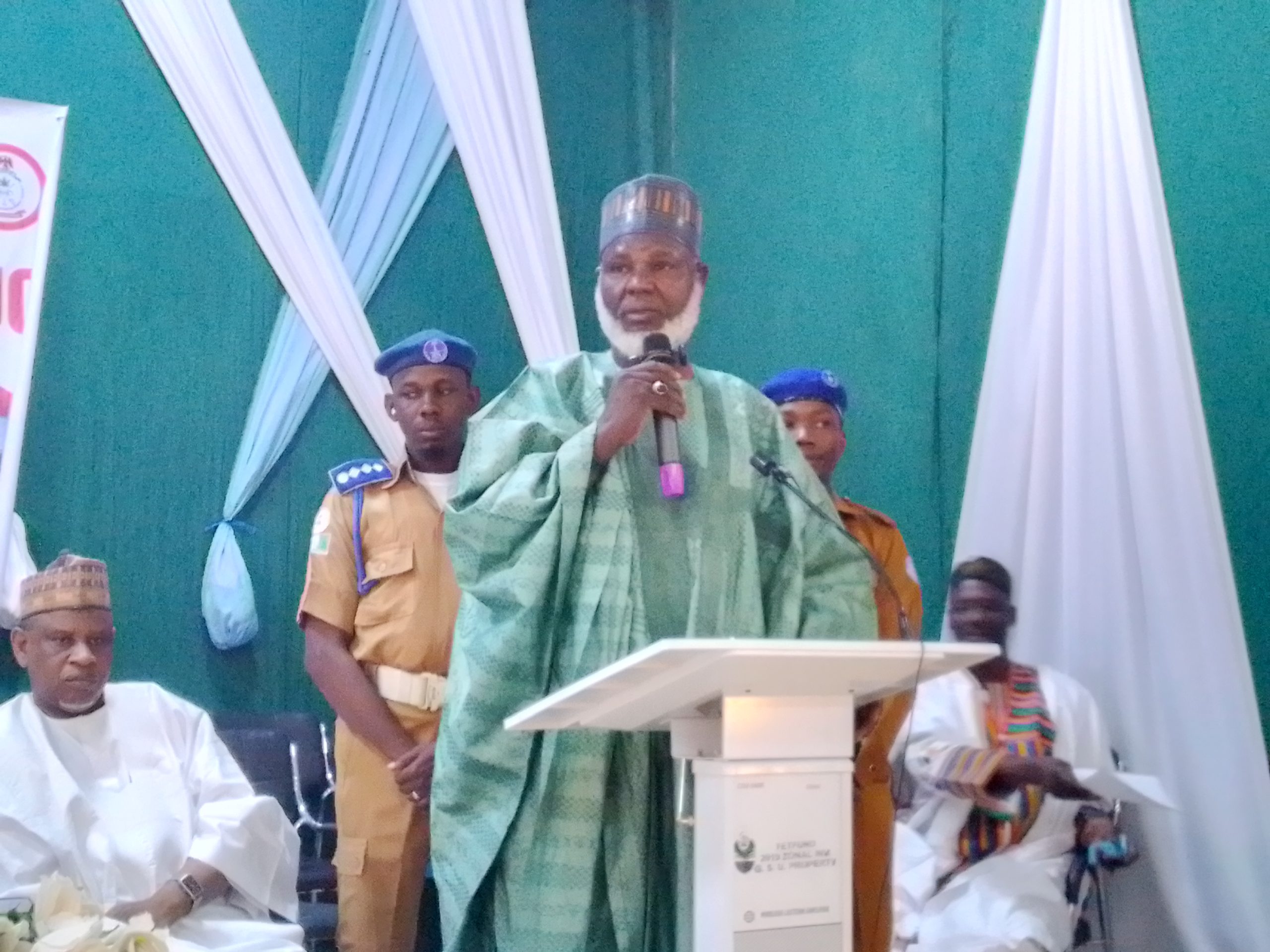
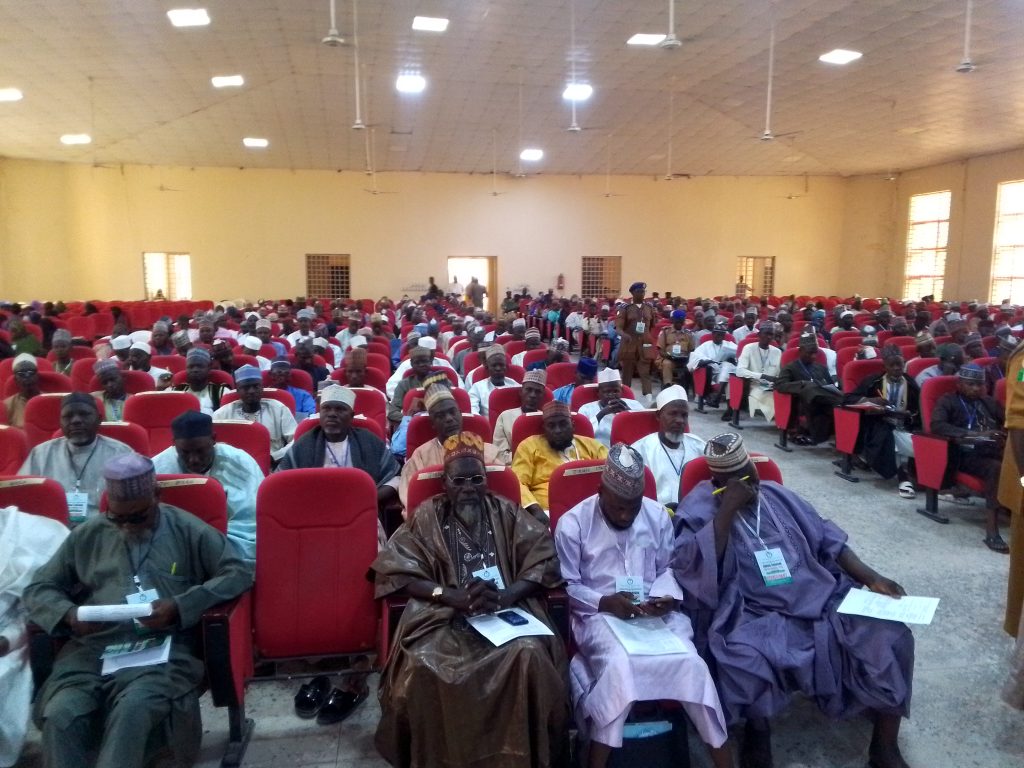
The call was made during a Ramadan preparatory workshop organized by the Jama’atu Izalatil Bid’ah Wa Ikamatis Sunnah (JIBWIS), Gombe State Chapter, held at the conference hall of Gombe State University.
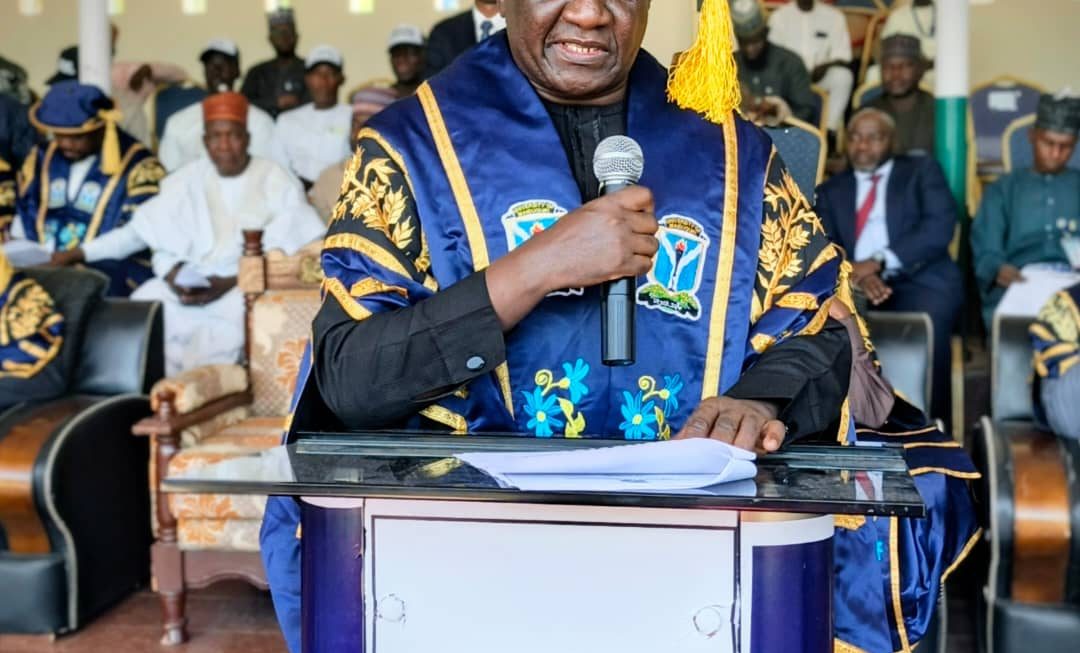
The event attracted senior Islamic scholars from different parts of the country.Speaking on the objective of the workshop, the State Chairman of the organization, Sheikh Salisu Muhammad Gombe, said the training was aimed at equipping scholars who will lead Qur’anic tafsir sessions during Ramadan with sound knowledge and proper guidance rooted in authentic Islamic teachings.
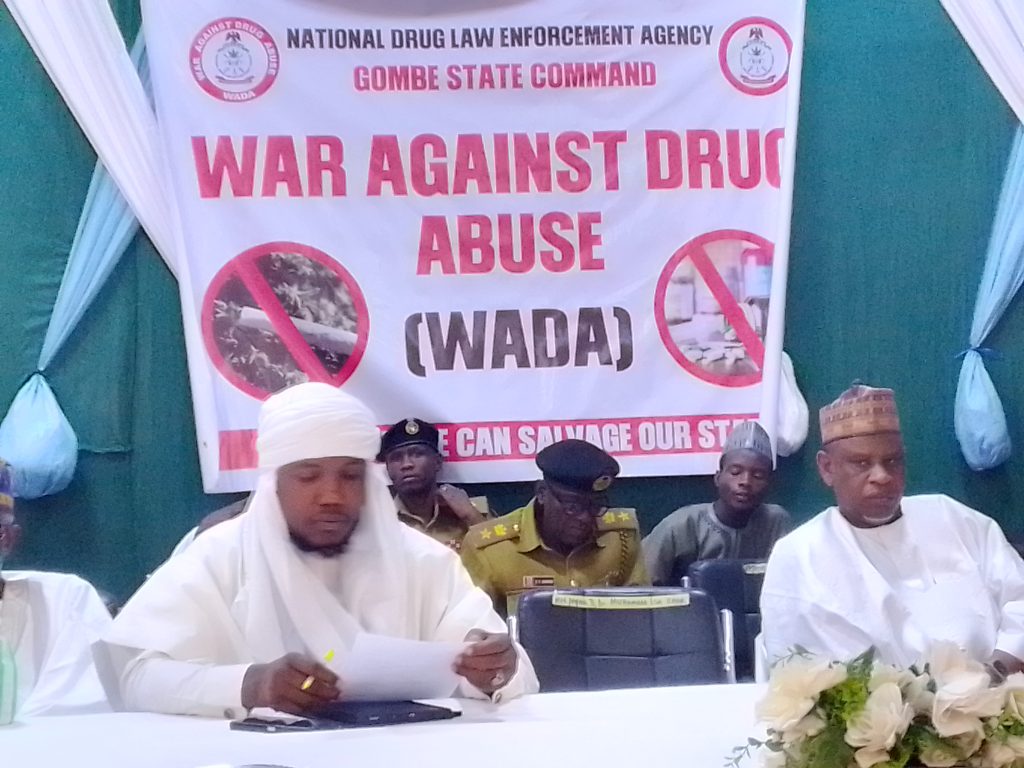
He expressed concern over increasing security challenges and declining moral standards in the state, which he partly attributed to widespread drug abuse among youths. Sheikh Salisu called on government authorities and community leaders to take urgent and sustained measures to curb drug trafficking and consumption, describing the problem as a major factor contributing to crime and social instability.
One of the resource persons, Malam Kabir Bashir Abdulhamid, presented a paper on the dangers of rejecting the Hadith of the Prophet, where he outlined religious evidences from the Qur’an and Sunnah that establish the obligation of following the Prophet’s traditions.
He cautioned that ignoring the Hadith could distort Islamic teachings and mislead believers.
The workshop also featured a presentation by the Gombe State Commander of the National Drug Law Enforcement Agency (NDLEA), who highlighted the social and security implications of drug abuse and appealed to parents, religious leaders and community stakeholders to intensify efforts in protecting young people from substance abuse.
Organizers of the workshop said the programme was designed to ensure that Ramadan preaching across the state emphasizes moral reformation, peaceful coexistence and unity, while promoting accurate understanding of Islamic principles among the public.