







By News Desk, Abuja
UNICEF has warned that the failure of the Borno State reintegration model could undermine efforts to protect women and children affected by the Boko Haram insurgency.
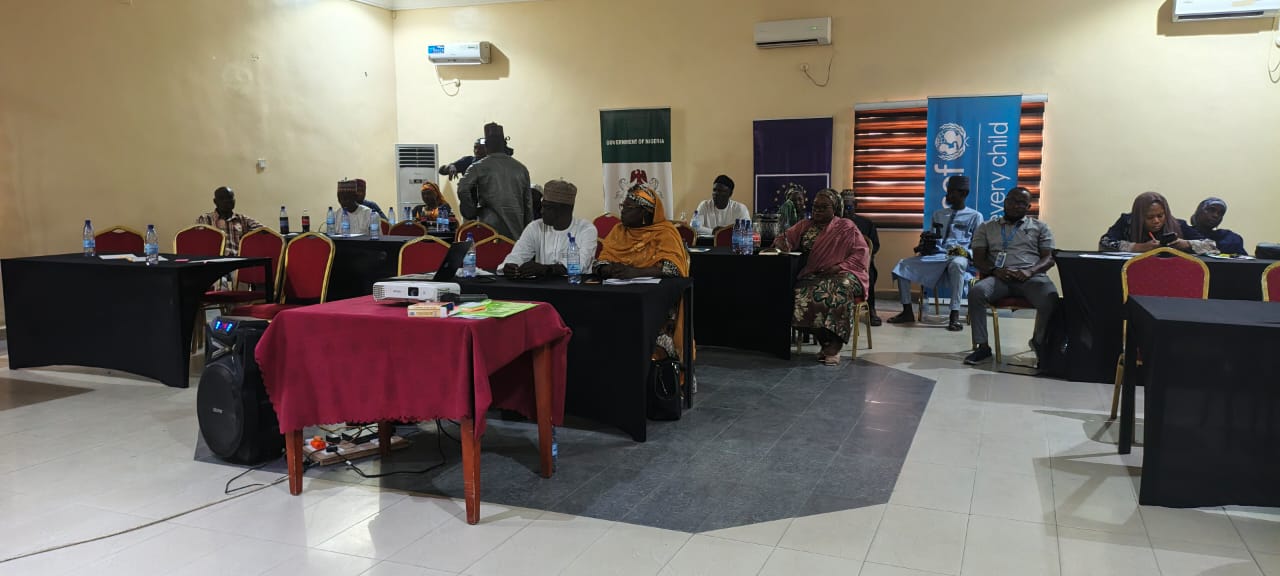
The warning was issued by Kingdom Alexander, UNICEF Child Protection Officer, during a one-day media roundtable organised by the Borno State Ministry of Information and Internal Security in collaboration with UNICEF in Maiduguri on Tuesday.
Alexander cautioned that if the Borno Model fails, it could waste resources and weaken years of peacebuilding. “If we allow the Borno Model to fail, we all fail, and millions of naira invested risk being wasted,” he said.
He said UNICEF is prioritising women and children, who were the most affected by the insurgency. “Many children were abducted, while others were liberated during military operations,” Alexander added.
“The reintegration programme is critical to ensuring their safety, rehabilitation, and reinsertion into society.
”The UNICEF officer urged media organisations to review reporting strategies, particularly when covering children involved in rehabilitation and reintegration programmes.
He stressed that accurate coverage is essential to help the public understand the importance of reconciliation, rehabilitation, and resettlement.
Speaking, the Borno commissioner of information and internal security, Usman Tar represented by his permanent secretary, Aminu Chamalwa said that consistent media engagement is crucial for public acceptance of the reintegration framework and to support sustainable peacebuilding in Borno State.
UNICEF and government officials called for continued collaboration among stakeholders to protect vulnerable women and children, ensure effective reintegration of conflict-affected persons, and strengthen the framework for peace and recovery in the state.
The event brought together government representatives, UNICEF officials, and key partners, including the International Organisation for Migration (IOM), United Nations Development Programme (UNDP), and United Nations Office on Drugs and Crime (UNODC).